August 17 2026 | Teaneck, NJ
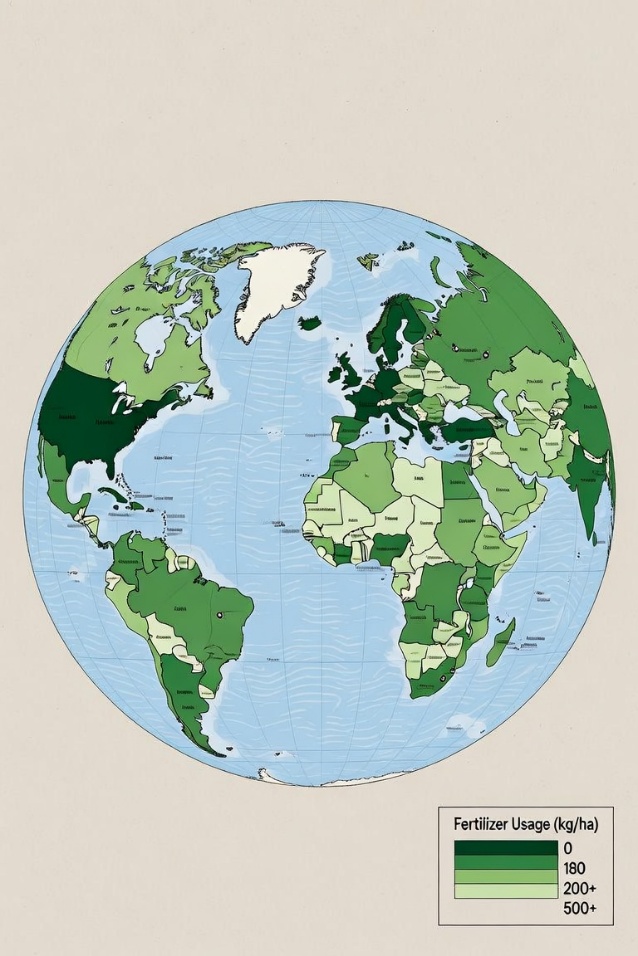 Urea ammonium nitrate (UAN) prices are inherently volatile, driven by natural-gas costs, agricultural demand, global nitrogen supply, and geopolitics. As of early August 2026, U.S. retail UAN32 had fallen sharply (recent averages near $459/ton) after earlier 2026 spikes linked to energy and trade disruptions.
Outlook for the next 5–10 years (through ~2031–2036):
- Near-term (1–3 years) — Continued volatility is likely. Natural-gas prices, weather-driven application demand (especially North American corn), export policies from major producers, and any further supply-chain or geopolitical shocks will dominate. Periods of elevated prices remain possible, but current softer levels may persist or moderate if energy costs stay manageable.
- Medium term (3–7 years) — Modest structural growth in global nitrogen demand is expected as population and food-production needs rise. New capacity additions, efficiency improvements in application, and potential policy shifts (including carbon-related costs in some regions) will influence the balance. Prices are more likely to trend in a higher average range than the pre-2021 lows, but extreme spikes may become less frequent if supply becomes more diversified.
- Key drivers — Energy costs (especially natural gas for ammonia), crop prices and planted acreage, fertilizer-use efficiency technologies, trade policies, and environmental regulations. Domestic production investments and alternative nitrogen sources could temper upside risk in North America.
Overall, most industry observers anticipate a market that remains cyclical but with a somewhat elevated floor compared with the 2010s, punctuated by occasional sharp moves. Buyers who lock in flexibility through diversified supply and efficient application practices will be best positioned.