August 17, 2026 | New Bern, NC
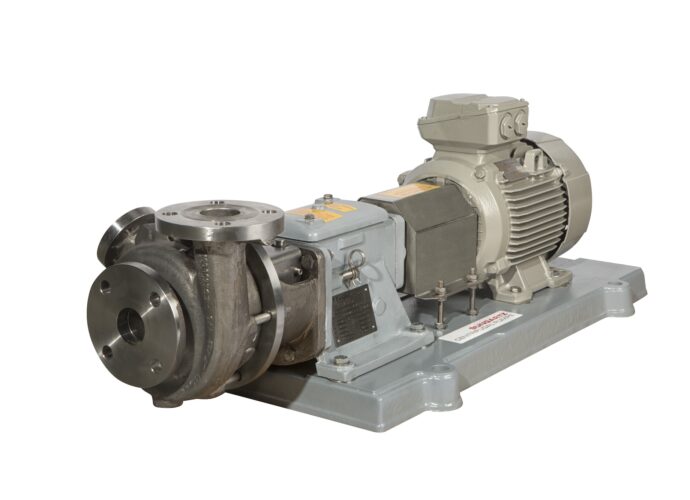
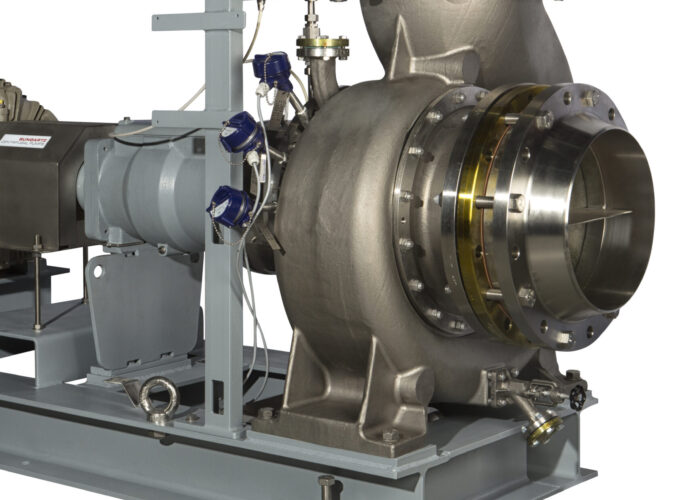
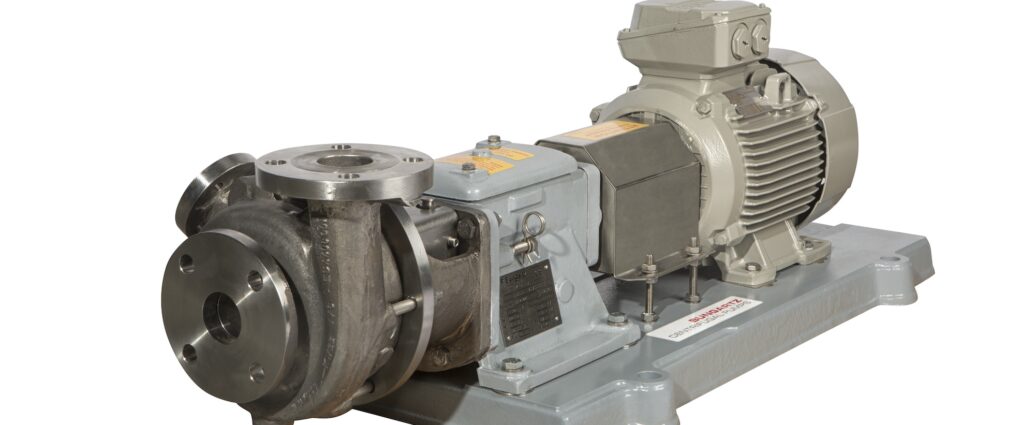
Bungartz centrifugal pumps (including hydrodynamic-seal and dry-running magnetic-drive models) excel in fertilizer melts, slurries, boiling or gas-laden fluids, and low-NPSH applications. Their unique sealing philosophy is the key to long service intervals.
Key technical tips:
- Dry-running capability — Many Bungartz designs (hydrodynamic seal or dry-running magnetic coupling) can operate without liquid for extended periods. This is invaluable during tank emptying, intermittent feed, or process upsets. Confirm the specific model’s dry-run rating.
- Hydrodynamic sealing — The frictionless hydrodynamic seal generates a pressure barrier during operation so the secondary packing or seal sees little or no product. Do not treat it like a conventional mechanical seal.
- Solids and abrasive service — Use models with wear plates and appropriate impeller designs (semi-open with back vanes). These features keep solids away from the seal area and dramatically extend life in phosphoric acid, gypsum slurry, or iron-oxide service.
- Low NPSH / V-AN process — Certain Bungartz pumps achieve very low NPSHr and can self-regulate or handle gas bubbles without cavitation damage. Proper suction piping design still matters, but the pumps are far more forgiving than standard centrifugals.
- Temperature and melt service — For urea or ammonium nitrate melts, maintain jacket heating to prevent solidification. Avoid cold spots in the pump or piping.
- Monitoring — Track bearing temperatures (especially on magnetic-drive versions) and vibration. The absence of a conventional seal means failure modes shift toward bearings or hydraulic wear rather than seal leakage.
- Materials selection — Match metallurgy and wear components carefully to the process fluid. Bungartz offers extensive options for corrosion and abrasion resistance.
These pumps reward correct application engineering with unusually low maintenance in the most difficult fertilizer and chemical services.