May 28, 2026 | Alvin, Texas |
Fertilizer production—especially urea, ammonium nitrate, and phosphate-based fertilizers—demands robust pumping solutions capable of handling aggressive chemicals, high temperatures, slurries, melts, and extreme pressures. Two primary technologies dominate: high-pressure centrifugal pumps (dynamic, impeller-driven) and high-pressure plunger pumps (positive-displacement, reciprocating). While both play vital roles, they differ significantly in design, performance, and suitability for fertilizer plant operations. Understanding these differences helps operators select the right pump for reliability, efficiency, and cost-effectiveness in continuous 24/7 production.
Operating Principles: How They Work
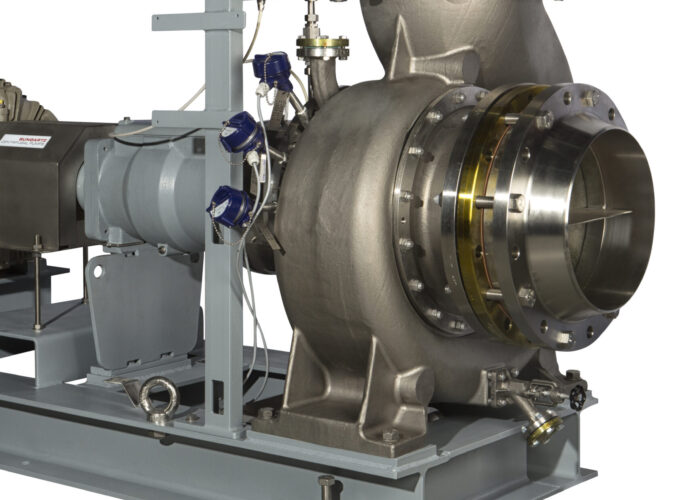
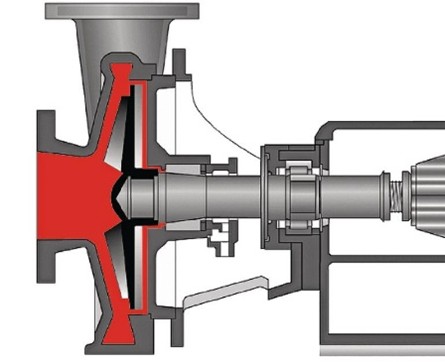
High-pressure centrifugal pumps convert rotational energy from an impeller into kinetic energy, then into pressure energy. Fluid enters the impeller eye, accelerates outward, and exits through the volute or diffuser. Specialized designs (multi-stage, integrally geared, or with hydrodynamic shaft seals like Bungartz) can achieve higher pressures while handling solids-laden or low-NPSH media.
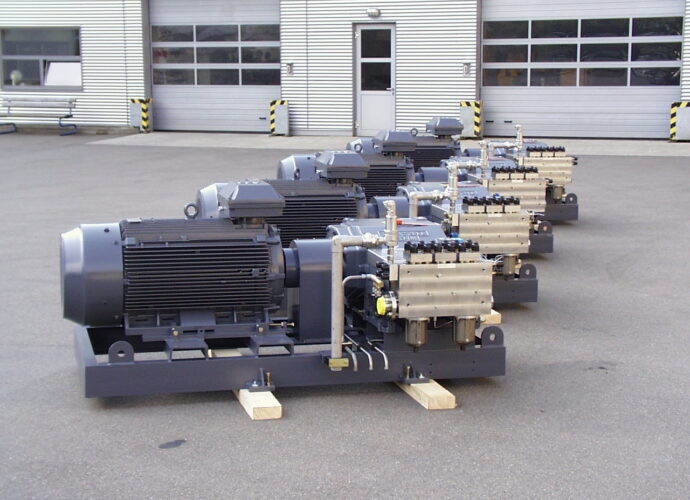
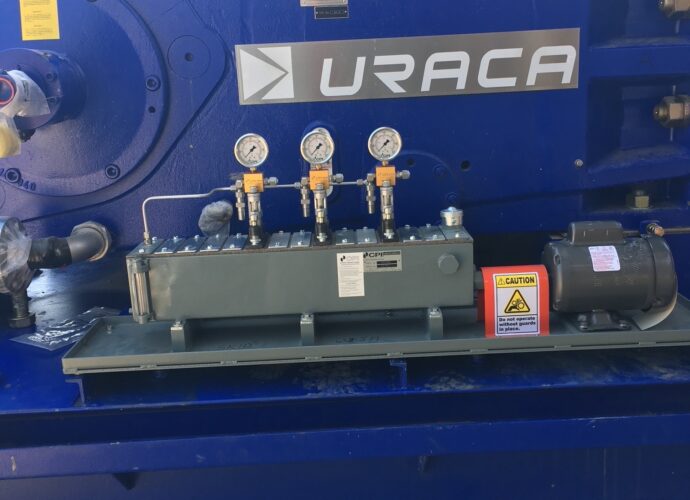
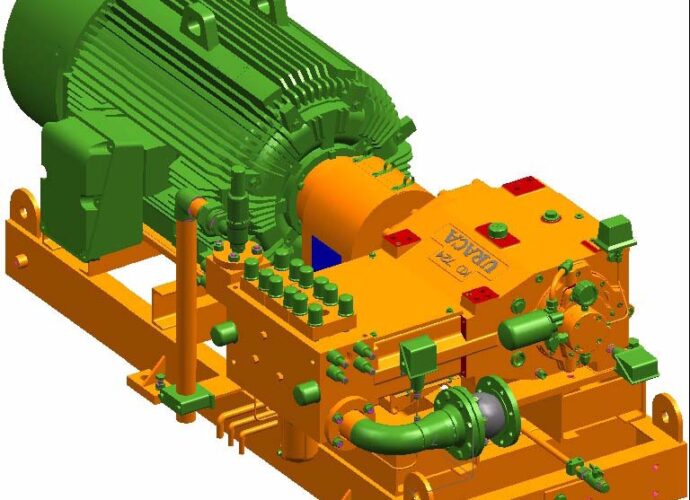
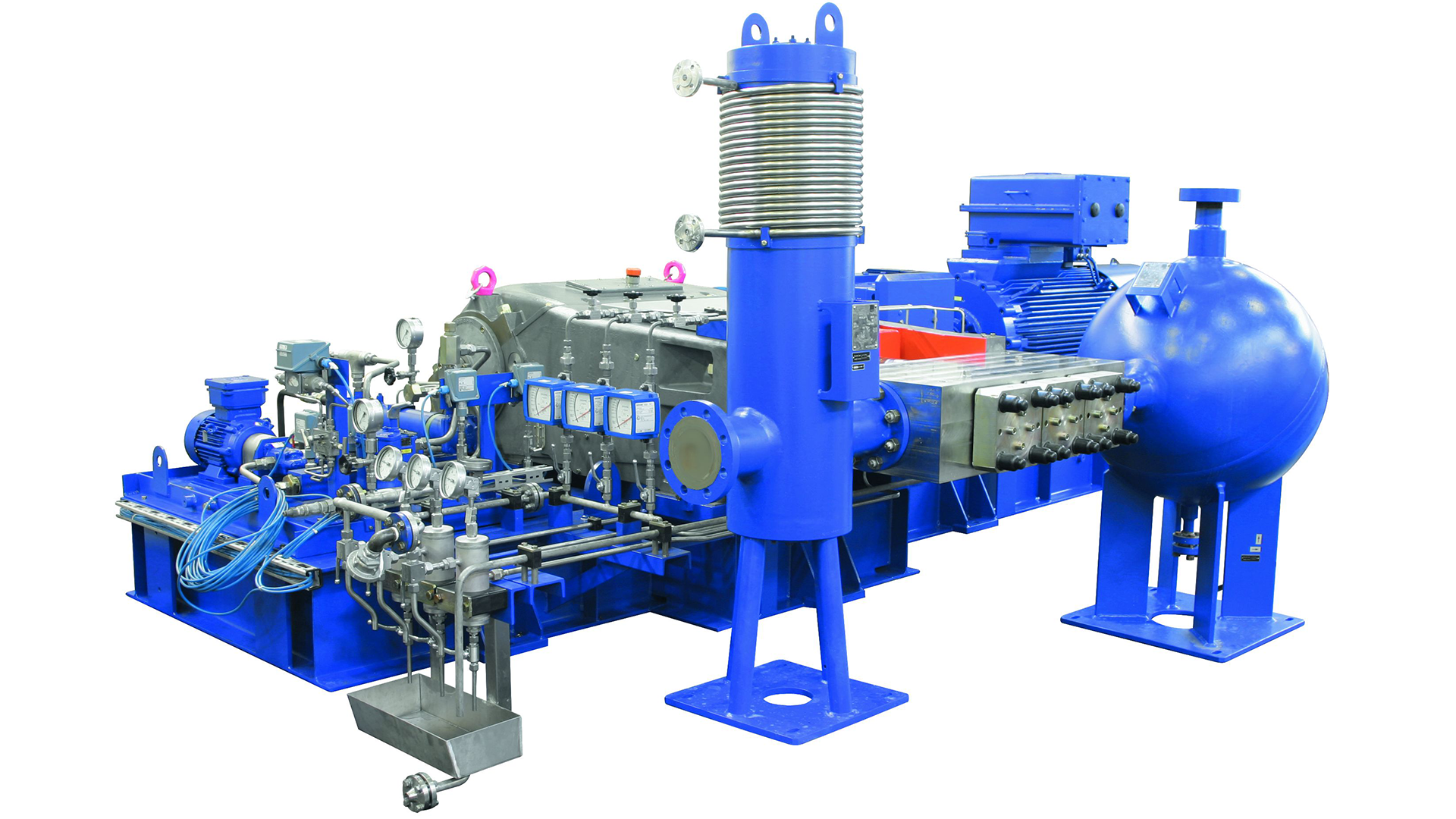
High-pressure plunger pumps (triplex or quadruplex) are positive-displacement machines. Plungers reciprocate in cylinders, drawing fluid in through suction valves and forcing it out through discharge valves. This creates a fixed volume per stroke, delivering consistent flow independent of system pressure. Manufacturers like URACA optimize these for pressures up to 3,000+ bar with custom liquid ends for corrosive or abrasive media.
Key Technical Differences
- Pressure Capability: Plunger pumps excel at very high pressures (140–250+ bar routinely in urea synthesis, up to thousands of bar). High-pressure centrifugal pumps are typically limited to lower-to-moderate ranges in fertilizer duty, though specialized multi-stage models handle demanding heads.
- Flow Characteristics: Centrifugal pumps deliver high flow rates with smooth, pulsation-free output—but flow decreases as pressure rises. Plunger pumps provide constant, precise flow regardless of pressure variations, ideal for metering and dosing.
- Viscosity and Solids Handling: Centrifugal pumps (especially Bungartz with hydrodynamic seals) handle slurries, melts (urea/ammonium nitrate), phosphoric acid, and abrasive suspensions better, often running dry without damage. Plunger pumps prefer cleaner or filtered fluids but can be engineered for pasty or aggressive media with proper materials.
- Efficiency and NPSH: Plunger pumps achieve up to 90% efficiency in high-pressure/low-flow scenarios and tolerate low NPSH. Centrifugal pumps shine in high-flow applications but may cavitate or lose efficiency at extreme conditions.
- Maintenance and Operation: Centrifugal pumps generally have fewer wear parts, easier startup, and lower pulsation. Plunger pumps require more attention to packing, valves, and filtration but offer long service life with proper care.
Applications in Fertilizer Production
Both pump types are used across fertilizer plants, but in complementary roles:
- Plunger Pumps (e.g., URACA): Critical for high-pressure synthesis in urea production—pumping ammonia and carbamate solutions at 140–240 bar and high flow rates (up to thousands of liters per minute) into reactors. They also serve ammoniation processes and precise chemical injection.
- High-Pressure Centrifugal Pumps (e.g., Bungartz MOS/UMOS series): Excel in handling phosphoric acid, gypsum slurries, iron oxide, molten urea/ammonium nitrate, and solutions with solids. Their dry-running capability and low-NPSH performance suit tank emptying, circulation, and melt transfer where standard pumps fail.
- Can Both Be Used for Production?Yes—both are proven in fertilizer manufacturing and often coexist in the same plant. Plunger pumps dominate the core high-pressure synthesis loop, while centrifugal pumps handle auxiliary transfer, slurry recirculation, and melt duties. In some urea plants, operators debate reciprocating vs. centrifugal for ammonia/CO₂ feed, with some favoring centrifugal for smoother flow control and lower maintenance in specific configurations.
Which Offers the Most Advantages?
High-pressure plunger pumps generally deliver the greatest overall advantages in the most critical production stages, particularly urea synthesis and high-pressure dosing. Their strengths include:
- Constant, precise flow independent of pressure fluctuations
- Superior efficiency (up to 90%) at high pressures and moderate-to-low flows
- Proven reliability with aggressive, hot, or toxic chemicals like ammonia and carbamate
- Ability to achieve the extreme pressures required for modern high-capacity plants (up to 5,000 MTPD)
This translates to higher process stability, reduced downtime, and lower long-term energy costs in core production.
High-pressure centrifugal pumps shine where high flow, solids handling, or dry-run tolerance is paramount (e.g., slurries and melts). They offer lower pulsation, easier operation/startup, and reduced maintenance in those niches—making them indispensable for overall plant reliability.
Bottom line: No single technology wins universally. Plunger pumps provide the edge in high-pressure, precision-driven core processes that define fertilizer output and efficiency. Centrifugal pumps complement them perfectly for challenging transfer and slurry duties. The smartest plants combine both—leveraging plunger pumps for synthesis and specialized centrifugal designs for everything else—delivering maximum uptime, safety, and cost savings. Partnering with experts who supply both (such as Chemac, Inc., with URACA and Bungartz lines) ensures the optimal mix for any fertilizer facility.